Serving Phoenix, Scottsdale, Mesa, Chandler, Gilbert Mon-Sat 7AM-7PM Accredited-Lab Analysis - Independent & Objective - Insured (480) 617-0099
(480) 617-0099
Home / Services / Radon Testing

Radon Testing in Arizona

Radon potential varies by EPA radon zone across Arizona, and it's invisible and odorless. We measure it directly with short- or long-term testing and retest after mitigation.

AZ EPA Zones

Radon Testing in Arizona

Radon is an invisible, odorless gas produced by the natural decay of uranium in soil and rock, and it can seep into a home through foundation cracks, gaps around pipes, and other openings. EPA radon zone designations vary across Arizona's counties, meaning radon potential can differ meaningfully from one neighborhood to the next - a home a few miles away can test very differently.

We measure radon using a continuous monitor for short-term testing, or long-term devices where appropriate, under standard closed-house testing conditions. If a mitigation system is installed afterward, we return to perform an independent post-mitigation retest confirming the system has reduced radon levels.
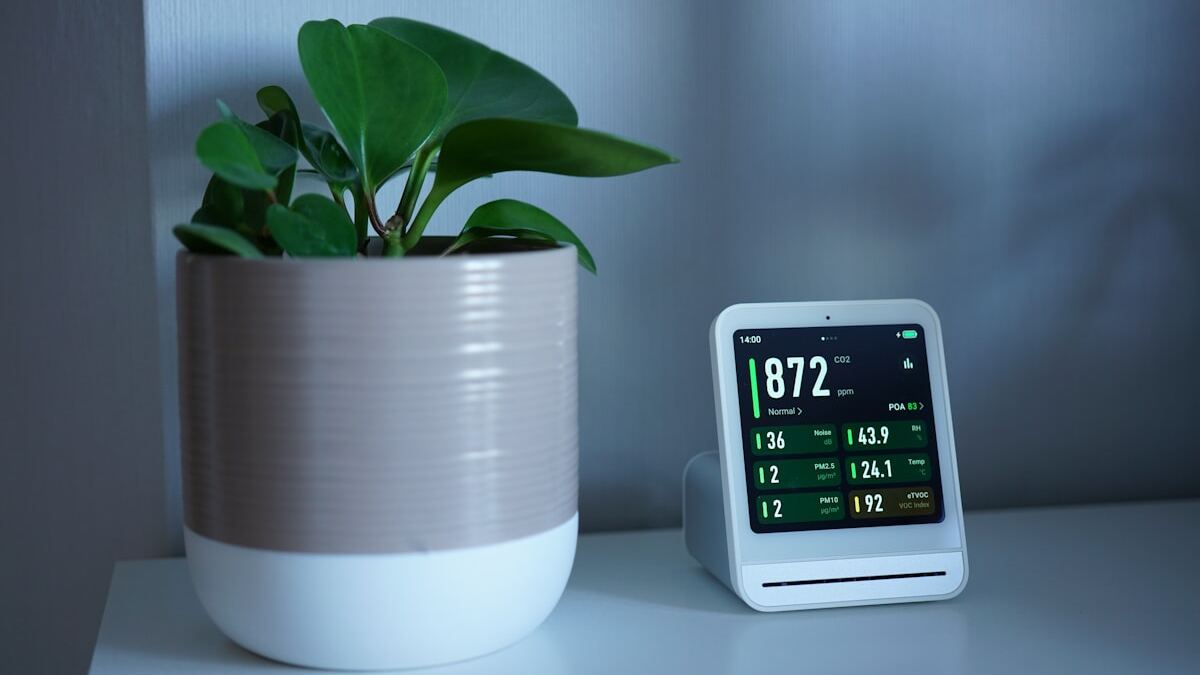
Indoor air monitor displaying live readings in a home interior

Initial Testing

Initial radon measurement uses a continuous radon monitor for short-term testing (or charcoal/alpha-track devices for longer-term testing), placed in the lowest livable level of the home and run under closed-house conditions for the required test period.

What Radon Testing Includes

  • Placement of a continuous radon monitor (or long-term device) in the lowest livable level
  • Testing under standard closed-house conditions for the required period
  • Written report of measured radon levels
  • Post-mitigation retest available after a mitigation system is installed

Clearance Testing

After a radon mitigation system is installed, we perform an independent post-mitigation retest using the same measurement approach to confirm the system is functioning and that radon levels have been reduced.

Why Testing Matters More Than Assumptions

Because EPA radon zone designations are county-wide estimates, not property-specific readings, the only way to know an individual home's radon level is to measure it directly. A short-term test gives buyers and homeowners a clear, documented answer instead of relying on a neighborhood average.

Who This Is For

  • Home buyers & sellers
  • Homeowners seeking a baseline health check
  • Property management companies
  • Owners of homes with finished lower-level living space
Simple Process

How It Works

1

Schedule Your Testing

Book online or call us directly. Most appointments are available within days across the Phoenix metro.

2

We Sample On-Site

Our technician collects air, surface, dust-wipe, or paint-chip samples on-site, following accredited sampling protocols for your service.

3

Lab Analysis

Every sample is submitted to an accredited environmental laboratory for analysis - we don't estimate, we test.

4

Clear, Professional Report

Receive a clear, easy-to-read report with your lab results, explained findings, and recommended next steps.

Arizona-Specific Concerns

Radon potential varies by EPA radon zone across Arizona's counties, and because radon has no smell, color, or taste, testing is the only way to know a specific property's actual level - a neighboring home's result doesn't tell you what's happening in yours.

Accredited Methods & Credentials

Specific certifications, licenses, and laboratory affiliations render below once confirmed. All testing follows accredited sampling methodology regardless.

Common Questions

Frequently Asked Questions

Does Arizona have a radon problem?
Radon potential varies by EPA radon zone across Arizona's counties - some areas run higher than others, and even homes within the same neighborhood can test differently depending on soil conditions and foundation construction. Testing is the only way to know a specific property's level.
How long does a radon test take?
A short-term test using a continuous radon monitor typically runs for about 48 hours under closed-house conditions. Long-term testing, which can run for several months, is available where a more extended reading is useful.
What are closed-house conditions and why do they matter?
Closed-house conditions mean windows and exterior doors stay closed (except for normal entry/exit) during the test period, since airflow changes can significantly affect radon readings. Following this protocol consistently is what makes a radon result reliable and comparable to EPA guidance.
What happens if my Phoenix-area home tests high for radon?
An elevated result doesn't mean the home is unsafe to own - it means a mitigation system, typically a sub-slab depressurization system, can be installed to reduce levels. We return afterward to perform an independent post-mitigation retest confirming the system is working.
Should I test for radon even if my neighbor's home tested low?
Yes. Radon levels can vary from lot to lot based on soil conditions, foundation type, and construction details, so a neighboring result isn't a reliable stand-in for testing your own property.

Ready to Schedule Radon Testing?

Fast scheduling across the Phoenix metro. Request your free quote and we'll confirm availability.

Open Mon–Sat 7AM–7PM · Call or text (480) 617-0099